
Taste
Naoshima. Why this art island will complete your 2026 Japan trip
Almost everyone who visits Japan for the first time follows the same route. Tokyo, Kyoto, Osaka. It makes sense. Big cities, enormous cultural contrasts, fantastic food. But if you look a little further and are willing to take a short detour, you will find a place that lets you experience Japan in a completely different way. Naoshima lies in Seto Inland Sea. A small island, once inhabited mainly by fishermen. No city, no crowds, no checklists. And that is precisely what makes it so special. This is not a place you rush through. This is an island where everything moves more slowly. Where art, architecture, and landscape do not compete for attention, but together create an experience.
Almost everyone who visits Japan for the first time does it this way. Tokyo, Kyoto, Osaka. It makes sense. Big cities, enormous cultural differences, fantastic food. But if you look a little further and are willing to take a short detour, you'll find a place that makes you feel Japan in a completely different way. Naoshima lies in the Seto Inland Sea. A small island, once inhabited mainly by fishermen. No city, no crowds, no lists. And that's precisely what makes it so special. This isn't a place you rush through. This is an island where everything moves more slowly. Where art, architecture, and landscape don't try to drown each other out, but together create an experience.
How Naoshima Became What It Is Today
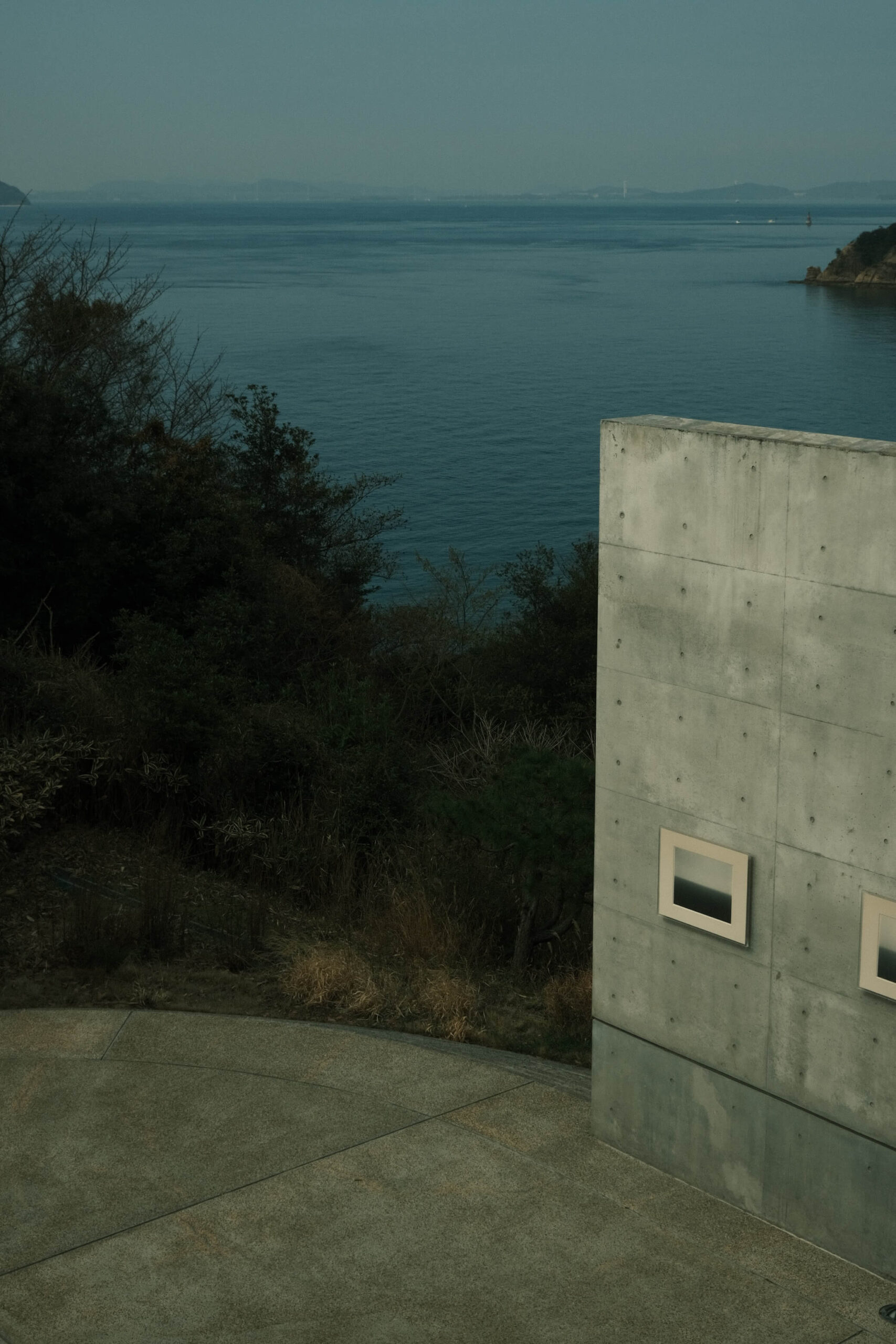
Until the 1980s, Naoshima was simply Naoshima. Until the Benesse Corporation decided that art also had a right to exist outside the city. Not as an attraction, but as an integral part of a place. Tadao Ando was commissioned for the architecture. Concrete, light, space. Buildings that don't rise above the landscape, but disappear into it. Everything built here feels deliberate. As if someone has considered how you move around here as a human being. You sense that immediately.
What to see in Naoshima in 2026
Benesse House Museum and Hotel
Benesse House is both a museum and a hotel. Designed by Tadao Ando and fully integrated into the collection. Even if you don't stay overnight, this is an essential visit. But honestly, if you have the chance to stay the night, you should. Waking up surrounded by art and concrete, with a view of the sea, is something you won't soon forget.
https://benesse-artsite.jp/en/art/benessehouse-museum.html
Chichu Art Museum
Chichu Art Museum is the island's highlight. It's largely underground and uses only natural light. Works by Claude Monet, Walter De Maria, and James Turrell are on display here.
The Monet room is special because the paintings literally move with the daylight. The installations by De Maria and Turrell are less easy to explain and therefore so impressive. Time slots are required, and that's a good thing. You don't want to rush this.
https://benesse-artsite.jp/en/art/chichu.html
Valley Gallery
Valley Gallery is nestled in the heart of the landscape. Here, installations respond to light, sun, and movement. On a cloudy day, it feels subdued. As soon as the sun breaks through, everything changes. It's art that never changes, because the environment always participates.
https://benesse-artsite.jp/en/art/benessehouse-museum.html#valleyG
Lee Ufan Museum
This museum is calm, understated, and precisely because of that, so powerful. Outside, there are minimal sculptures. Inside, everything revolves around space, large stones, and silence. You don't have to understand anything here. You just have to be there and see.
https://benesse-artsite.jp/en/art/lee-ufan.html
Yayoi Kusama. Pumpkin
Probably the island's most photographed work, but don't let that fool you. The yellow pumpkin stands on a jetty in the sea and its effect is precisely its simplicity. You stand there, looking out over the water, and understand why this couldn't have been a museum piece.
Why Naoshima Remains
Naoshima isn't a destination you visit because you "have to." It's a place you remember because everything is perfect. The scale. The tranquility. The attention to detail. For those who take art, architecture, and culture seriously, this is one of the most special places in Japan. Not grand, not flashy, but just right. Anyone visiting Japan in 2026 and willing to travel a little further will find something here you won't find in the big cities: Time. Attention. And an experience that slowly sinks in.
Naoshima is not a highlight.
It is an anchor point.


