Money
A look at the world of new money
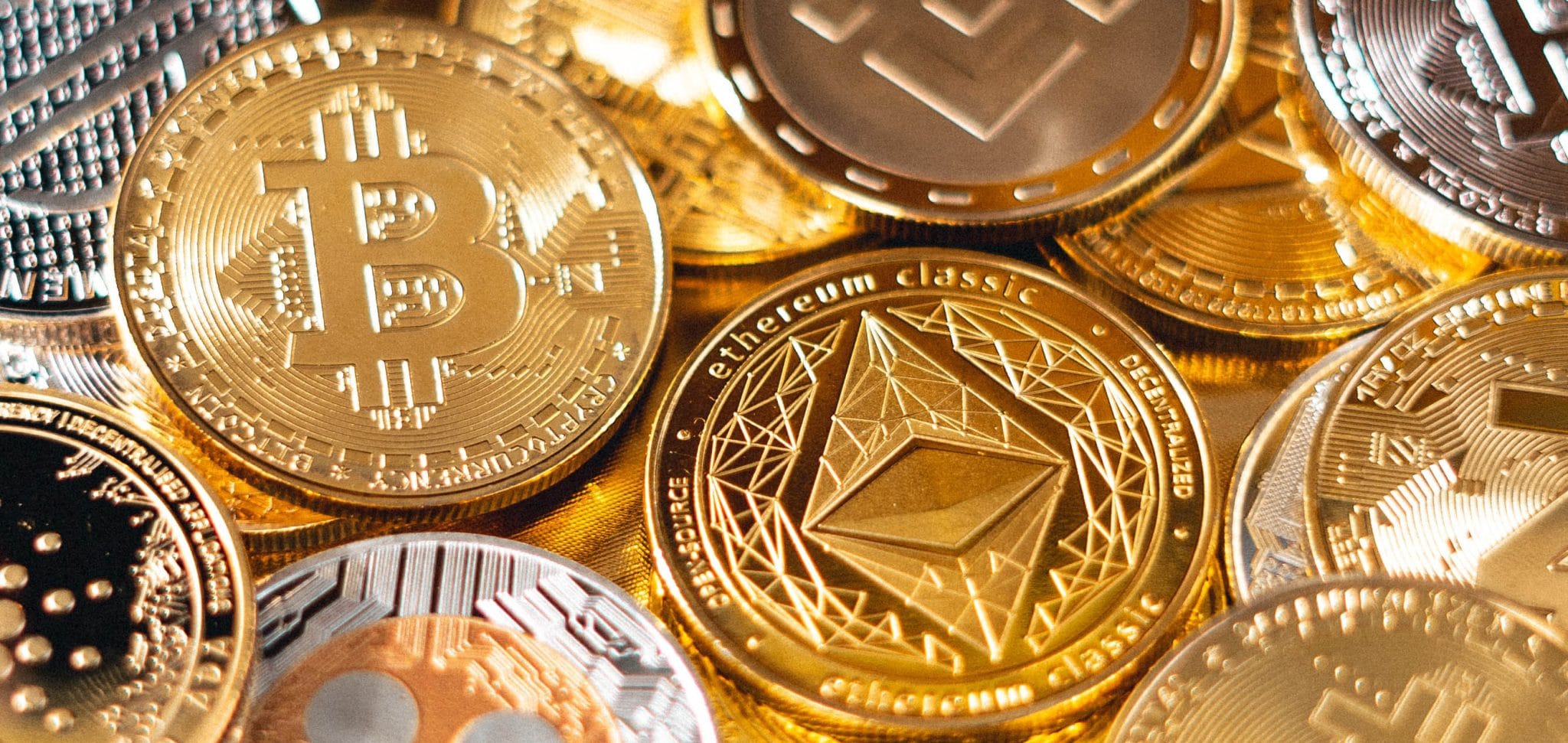
The way money plays a role in daily life is constantly changing, especially with the rise of cryptocurrency. Those who know quite a bit about it are: Wilhelm Roth (CEO of Icoinic Capital), the Amsterdam crypto investor, and Jonas Gross (Digital Euro Association). A look with the gentlemen at the new money: crypto. Text: Patrick Stoffer
Image: Icoinic Capital
Developments towards blockchain
Journalist Hans Niewenhuis also spoke with the gentlemen. The concept of money began long ago with barter of food, goods and services. Subsequently, gold and silver were used, paper money linked to the gold standard and finally paper money without any relation to the gold price. We still use that money today. Roth: “It is clear that this will increasingly transition to digital money.” Gross: “The monetary systems are never been more exciting than now. People are increasingly paying digitally, cash is steadily decreasing, and not just because of COVID. New technical options can make digital payments safer, easier and cheaper.” According to Roth, the transition to digital money in Europe will not cause too many difficulties. “When you open your banking app you already see digital money, so the transition is underway. The next step will be for the Central Bank to digitalize its own euro capital in the form of CBDCs (Central Bank Digital Currencies), based on blockchain technology. Essentially, this is about cryptographic security, with the aim of preventing money laundering. The ECB will link its euro reserves to a digital euro coin, connecting it directly to citizens. As a result, commercial banks will lose many of their functions.” Gross: “These digital euro coins are very efficient in transactions with foreign countries, which are still very complicated. There are all kinds of banks and other organizations involved, all of which use different data formats. Blockchains greatly simplify these intermediate steps and standardize data exchange.”
Benefits for citizens
Roth: “Data encryption provides protection against hostile forces that want to launder their black money via the euro and use it for criminal activities. Citizens will not notice much of the digital transition. Their credit cards and apps will continue to work as they are used to, only probably cheaper.” An interesting question is whether physical money will still remain in circulation. Roth expects a modest amount will be saved for older people, or for worst-case scenarios. “Just like gold reserves, so that there is at least something to replace it if the digital system fails.” Paper money also has its value for privacy reasons. That's why Gross is a fan of it: “I hope paper money lasts as long as possible! No other payment method provides so much privacy.”Photo: Wilhelm Roth, Icoinic Capital
Better safe than sorry
It will certainly take a lot of time before the transition is completed, especially because of the legal and regulatory consequences. It will certainly take years to introduce CBDCs as the new identity of our money. That seems slow, but the transition must of course be done very carefully. Roth: “Better safe than sorry…” Gross: “It is essential that people continue to trust the financial system. There should be no confusion.”
Cryptocurrency as a means of payment and investment instrument
El Salvador recently started a famous project and introduced bitcoins as an official means of payment. Is that experiment viable? Roth: “It's an interesting test case for how cryptographic technology can be used for payments, but in Europe I don't expect this to happen anytime soon. Security will continue to be an issue in El Salvador, impacting society and economic stability. A good reason why supervision in Europe is so strict.” Gross says El Salvador's interest in using the cryptocurrency as legal tender stems from economic and social factors, such as the large number of unbanked people and high transaction fees for bank transfers. In addition to innovative and technological progress, Roth and Gross see cryptocurrency as a promising investment instrument. Gross: “I increasingly see cryptos as digital gold, and expect it that prices will rise in the longer term. Personally, I prefer to keep my bitcoins in my portfolio rather than sell them, because I am optimistic about the future.” Roth, who manages a crypto investment fund, agrees: “Investing is done via euros, of course. Investors buy cryptos with euros, we invest them via the crypto exchanges, and when the investors sell them again, they get euros in return. We are working hard to make the Netherlands the center of the new financial world.”