
Taste
The New Evoluon
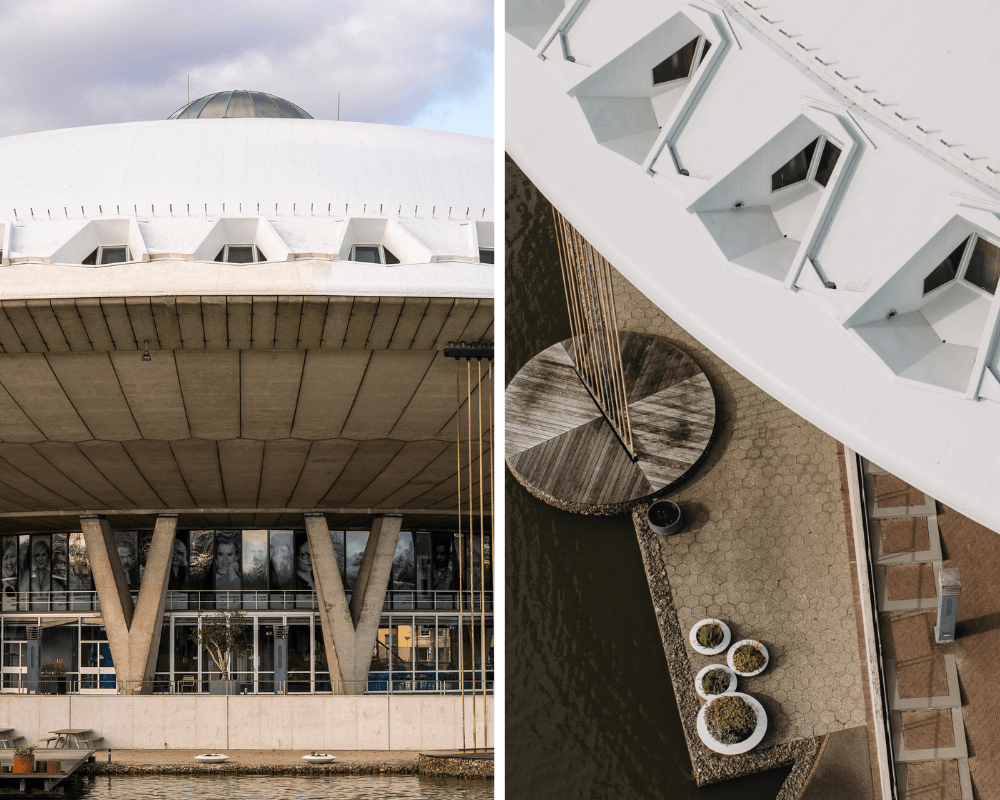
Once, Evoluon was the ultimate symbol of progress: a futuristic beacon showing how technology would make the world more beautiful, smarter and better. Now, thanks to Next Nature, the iconic building has reopened as a national museum of the future where technology, biology and the future of humanity converge. Not simply to display technology, but to spark discussion and awareness about our living environment. At a time when AI, data and digitalisation are profoundly changing our lives, the museum aims to make the future human again.
Anyone driving around the ring of Eindhoven knows the sight. That striking disc at the edge of the city, once a symbol of progress, later mainly an icon full of nostalgia. Now Evoluon has regained its meaning: as a place where the future is discussed, rather than as a museum about the past. And above all: as a place where technology is reconnected to humanity. That is certainly not a casual ambition. Technology is now embedded in almost everything we do. Artificial intelligence, quantum technology, the energy transition and digitalisation influence our daily lives ever more directly, often without us really pausing to think about it. This is precisely why the need for interpretation grows. Technology is long past being a standalone subject; it has become infrastructure – invisible, but decisive. And that is why Next Nature's direction is so relevant. Here it is not just about showing what technology can do, but about making tangible and discussable what that technology does to us.
60 years of future thinking
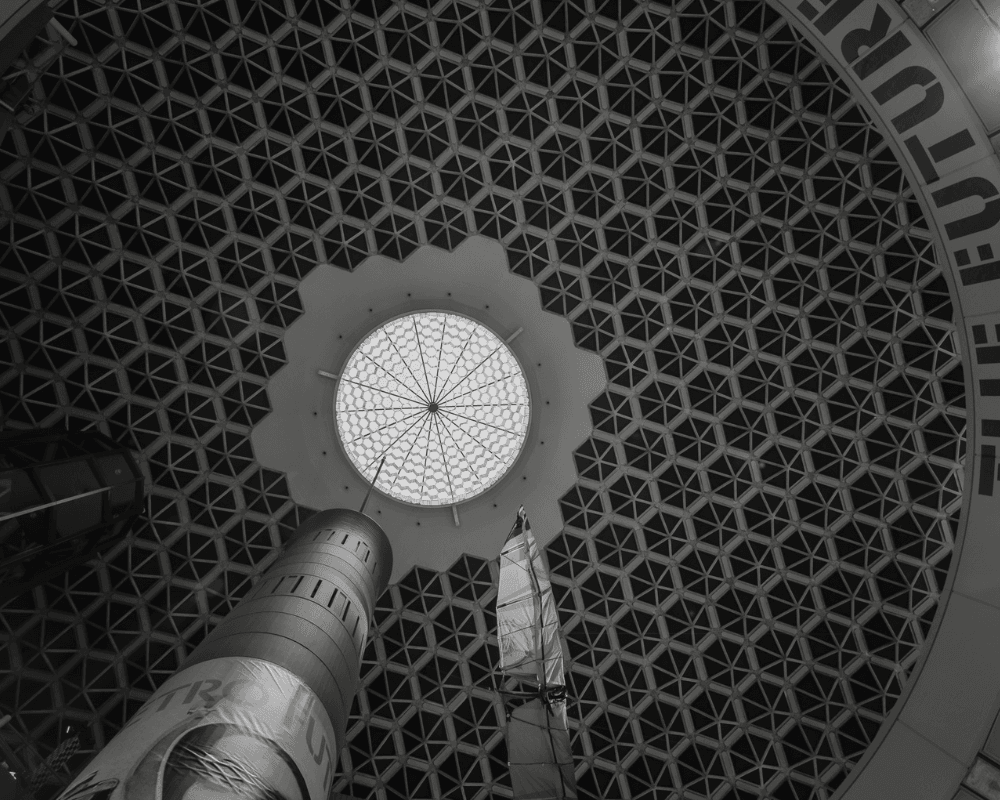
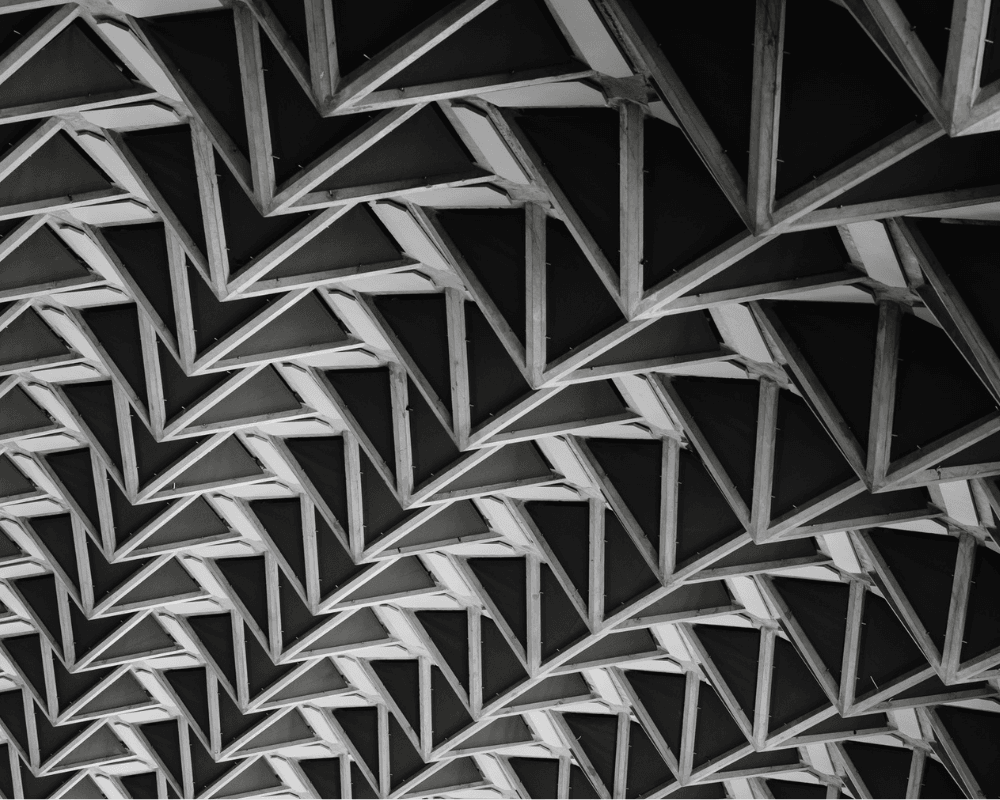
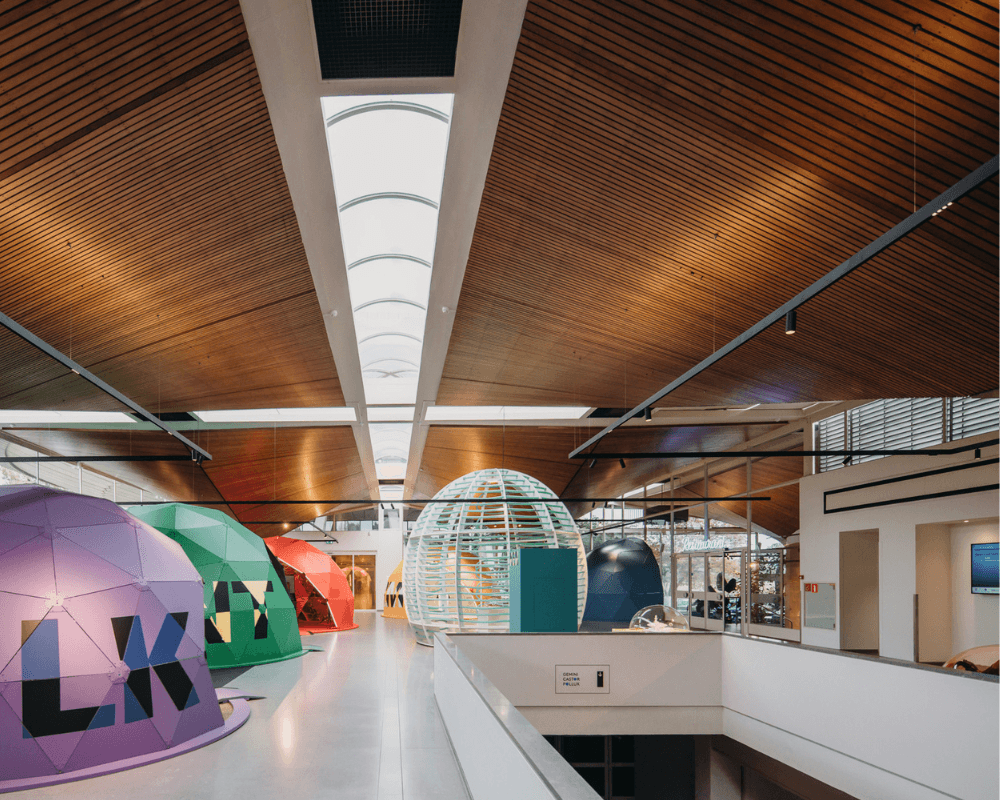
That is also what makes this place so special. When Philips opened Evoluon in 1966, on the occasion of the company's 75th anniversary, the building stood for an almost unshakeable belief in progress. That thought still resonates: this year marks 60 years of future thinking here. The first sixty years were closely tied to Philips' vision; the next sixty years, Next Nature takes the baton. Not to erase that history, but to continue the conversation with society. The original design by Louis Kalff and Leo de Bever breathed the conviction that the future was something we could shape. But today's world looks different. Where technology in the sixties still seemed tangible and reassuring, it is now far more diffusely present. It sits in algorithms, data, systems and processes that often remain out of sight. And that is why the new direction of Evoluon works so well. The building tries to get a grip on the now. Not by offering easy answers, but by asking better questions. Anyone stepping inside today does not enter a traditional museum. Instead of display cases full of devices, an environment unfolds where past, present and future interweave. The permanent exhibition Enter Spaceship Earth is still very much in development, but the direction is clear. As Koert van Mensvoort, director of Next Nature, puts it: "With Enter Spaceship Earth we invite everyone to learn to operate the controls of our planet. The next 60 years are not about more technology, but about better choices for the symbiosis between humanity, technology and nature." That is telling. The great questions of our time are no longer purely technical. They are equally about ethics, wellbeing and inclusion. About how we ensure that technology supports us, rather than steering us without our knowledge. These are not abstract discussions for experts alone, but public questions. That is precisely why it makes sense that they are asked in a place like this.
Human Scale
In Eindhoven, this takes on added significance. In the Brainport region, tomorrow's technology is being developed every day. But innovation only truly matters when society can participate in it. Next Nature plays an interesting dual role here: it is both a showcase and a mirror. It demonstrates what the region is capable of, but also asks what all this progress means for people's daily lives. What stands out is that human scale is central. The visitor's experience is the starting point. Rather than appearing as an abstract system or polished innovation narrative, technology here emerges as something that directly touches how we live, think, coexist and relate to the planet. Van Mensvoort says of this: "Where technology once stood apart from humanity, it has now become our nature. In the museum we explore how to keep this new nature human." That is a fundamental difference from the old innovation narrative, in which progress often meant faster, bigger and more. The new Evoluon presents a more mature perspective. Progress here concerns efficiency as much as fairness, growth as much as sustainability, and capability as much as choice.
Societal Platform
With this, Evoluon is more than a cultural project or architectural repurposing. It has become a societal platform. A place where entrepreneurs, scientists, designers, students and citizens stand together. Because the innovations that will matter must be not only technically strong, but also socially sustainable and morally defensible. Perhaps the symbolism of this second life is precisely what makes it so powerful. Evoluon could easily have remained what it was for many: a beloved icon from an optimistic era. Instead, Next Nature has given it new meaning. That says something about Eindhoven, about Brabant and perhaps about the Netherlands at its best: renewing without losing your roots. A region that grew through industrial imagination, reinventing itself through design and high-tech, and now showing the ambition to engage in conversation about what progress means. Ultimately, that may be what makes the new Evoluon most remarkable. Not that it predicts the future, but that it makes that future tangible and open for discussion. In a time when many decisions about tomorrow are made behind closed doors, this place opens up public conversation instead. And with that, it has become a building of significance once again: a living platform for tomorrow.