Power
Hanneke writes green history
According to Hanneke van Veghel, we will soon no longer be bound to the Girl with a Pearl Earring or the A1. One solution to climate change comes from a completely unexpected source. The author and agricultural consultant has identified a number of sustainable initiatives especially for MASTERS.
According to Hanneke van Veghel, soon we will no longer have to glue ourselves to the Girl with a Pearl Earring or the A12 in Utrecht. One of the solutions to climate change comes from a completely unexpected source. The author and agricultural consultant has listed a number of sustainable initiatives especially for MASTERS.
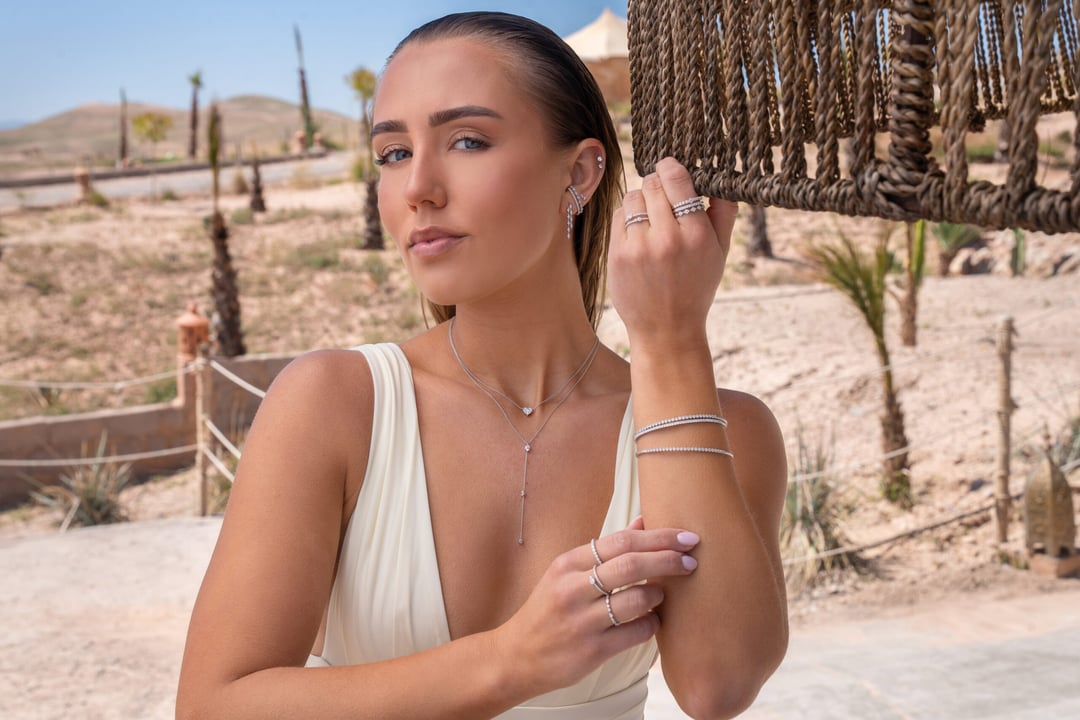
“Soon we won't have to glue ourselves to it anymore Girl with a Pearl Earring or the A12 in Utrecht. One of the solutions to climate change comes from a completely unexpected source: sustainable diamonds. These are not pulled out of the ground by children's hands under inhumane conditions in trashed nature, but are made in the lab - and with CO2. British multimillionaire Dale Vince is launching the world's first zero-impact diamond with his company SkyDiamonds. With the help of green energy and collected rainwater, carbon (CO2 - from which 99,95% of normal diamonds are also formed in the earth) is transformed in labs into sparkling stones. 20.000 kilos of CO2 can be converted per carat into sustainable gemstones. And where you normally have to wait 1 to 3 billion years for a diamond to be formed, these diamonds roll off the assembly line within a few weeks. What a sparkling solution this is. Let's not only ask our sweetheart to stay with us for the rest of our lives with this climate solution, but let's extend it even further. Let's build houses, swimming pools, cars and skyscrapers from diamonds. Everything for a better world.”
– Hanneke van Veghel, Agricultural consultant and author of the book Diet for a better planet
People, Planet, Progress
TUI Group presented its sustainability program in February. The mission: to reduce the ecological footprint and maximize the positive socio-economic impact of tourism on holiday destinations. For this purpose, TUI Group will raise 10 million euros annually through the TUI Care Foundation. This money will be used, among other things, to preserve the natural environment of the destinations and to help local communities progress. The most important pillar is the reduction of emissions. TUI Airline's flights are responsible for around 80% of the group's emissions. CO₂ emissions per kilometer per passenger have already been reduced by 18% in recent years and will be further reduced by 2030% by 24. For the TUI hotels, the group wants to reduce emissions by at least 46,2%, while also eliminating all unnecessary plastic packaging and objects by 2025. And by 2030, TUI will offer climate-neutral cruises and emissions at TUI Cruises will have been reduced by more than a quarter. 2030 is an important milestone, but also only an intermediate step towards the final ambition: 'Net-Zero emissions' by 2050 at the latest.
Solar textiles
How great would it be if we could weave renewable energy into our daily lives? That is why Studio Pauline van Dongen, in collaboration with innovative design agency Tentech, has developed solar textile - containing flexible organic solar panels woven - that lends itself to lightweight architectural constructions. The aim is to combine the tactility and design freedom of textiles with the energy-generating potential of solar energy. The smart textiles will open up possibilities to create tents, pool enclosures, parasols and facades, among other things, that can harvest solar energy while providing sun protection. “Entire facades can be decorated with this fabric,” Van Dongen thinks. “We can create a completely new look for buildings.” The textiles can have different colors and patterns, so variation is guaranteed in the street scene.
Paulinevandongen.nl | Tentech.nl
Planet proof toastie
To produce one kilogram of cheese you need six to ten liters of cow's milk. And one liter of milk requires another nine square meters of land. In short: cheese has quite an impact on the environment. That is why Willicroft developed a planet-proof variant. To match the taste of cheese, the Amsterdam-based vegan cheese brand works with ingredients such as white beans: they use less water and extract nitrogen from the soil. Nutritionally, white beans are similar to milk, giving them a dairy-like texture when you grind them. Willicroft has now launched five plant-based products: a fondue cheese, a cheese sauce, Italian cheese spread, a feta variant and Young Dutch. According to the makers, 'just as tasty as the original, but with six times less CO2 emissions'. At the URL below you will find recipes with Willicroft cheese. Think of Spinach Greek White Rolls, Asparagus Tart With Italian Aged and a Young Dutch Toastie.
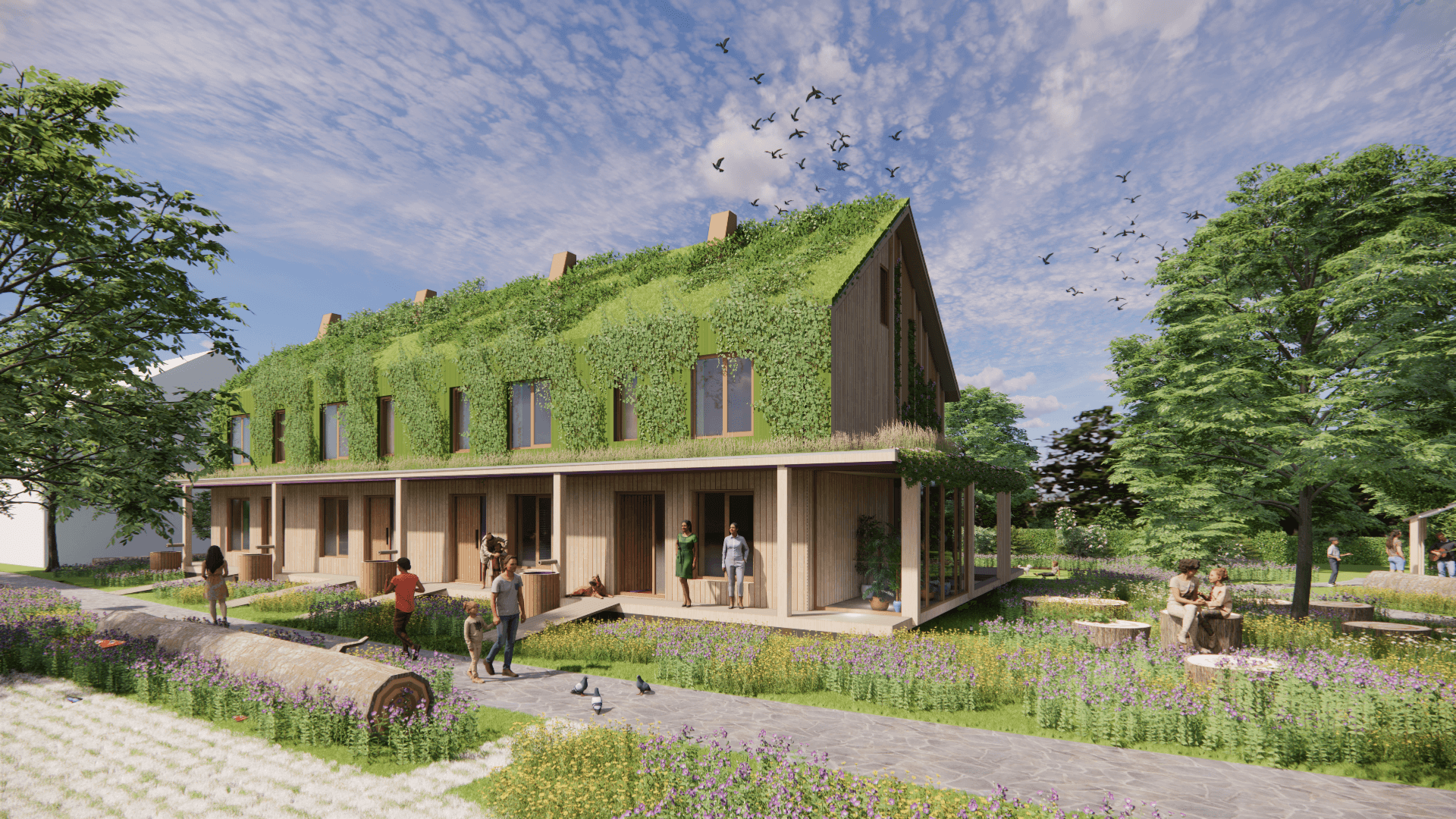
The new living
With the launch of a climate-positive Nature House made of straw, Ballast Nedam Development wants to unleash a materials transition in the construction world and introduce the 'new normal for living' in the Netherlands. By using prefab straw panels, large-scale construction is possible. In addition to straw, a range of others are used biobased materials used. This home stores up to 90 tons of CO2. In addition, the Nature House is energy positive and produces more energy than it uses. Another important aspect is nature-inclusive and climate-adaptive construction. The design seeks a connection with nature. For example, the facade and roof are largely covered with greenery, which acts as a buffer for water management and counteracts heat stress. The winning design in the competition organized by Ballast Nedam Development was created by architects, construction company Van Herpen and Strotec. The first pilot project will take place in Heeze, North Brabant, and construction of the first Nature House is expected to start in mid-2023.