
Amsterdam 750
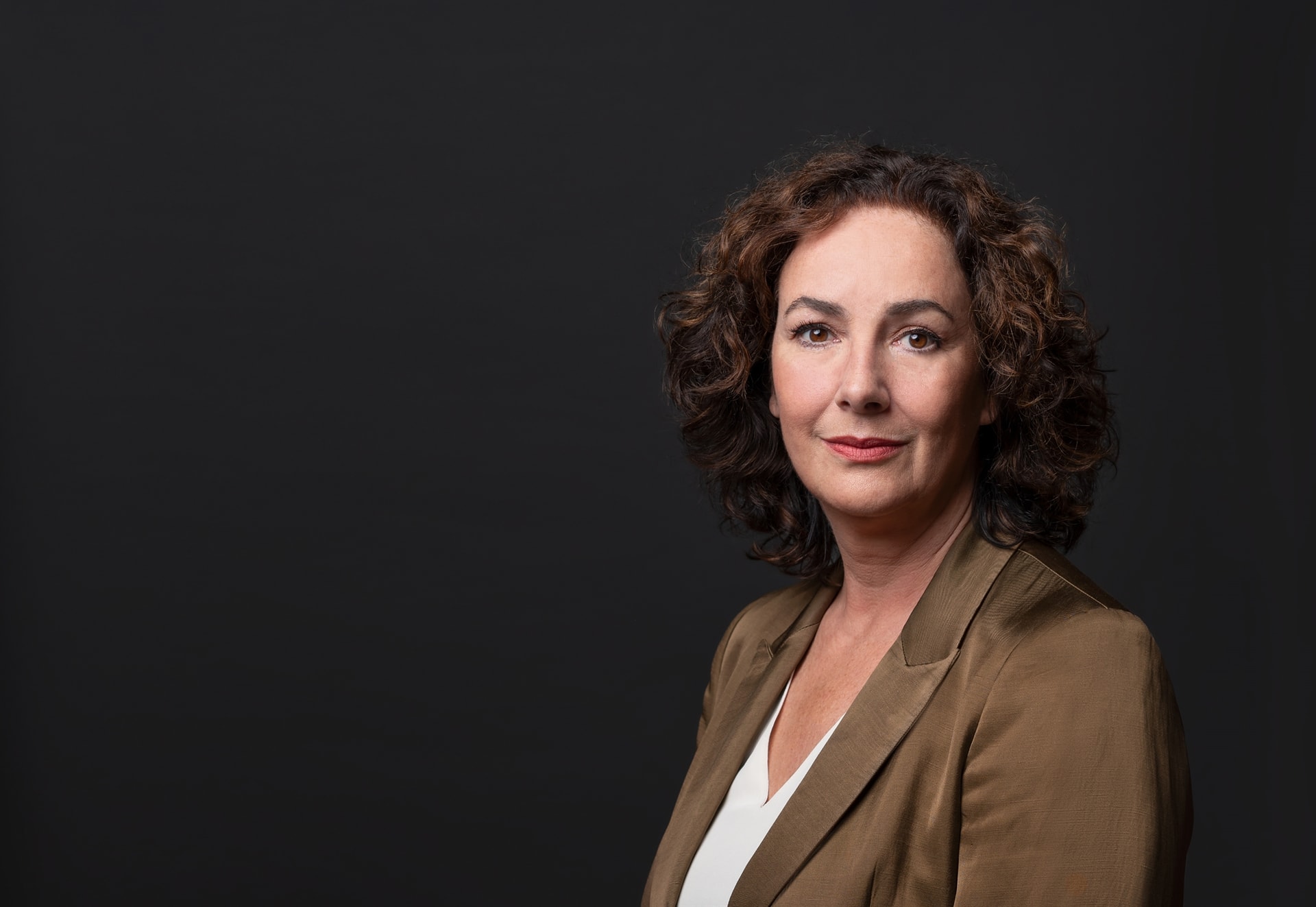
Femke Halsema: "Being an Amsterdammer is a feeling"
She has been mayor of Amsterdam since 2018, but she has lived there 'half her life'. What does Femke Halsema (Haarlem, 1966) notice about the development of the city? And how does she see the future? "I hope the city remains as idiosyncratic as it has been for the past fifty years."
What do you think is the most positive change the city has undergone in the current century?
“I’ve lived in Amsterdam for half my life. And when I look at how the city has changed since then, you see that the dilapidation that was there then has made way for mostly good housing for people. The city has become a lot more liveable and safer. As Amsterdammers, we can be proud of that.”
According to research by consultancy firm Arcadis, Amsterdam is the most attractive large city in the world. The city scores particularly high in the areas of liveability, transport and social cohesion. What policies have contributed to this?
"These are of course wonderful compliments for the city and I recognize them too. At the same time, there is no button you can turn that creates a liveable city. Ultimately, we have become that through Amsterdammers who create the city, invest in liveability and look out for each other. I hope that we will remain such a city for a long time to come."
Amsterdam has a rich history of trade and entrepreneurship. How do you see the city's DNA as a business centre in the future?
“Amsterdam has indeed always been a city where entrepreneurship plays an important role. The combination of many well-educated people, people who speak multiple languages, good facilities and infrastructure in the Netherlands and specifically the Randstad make us attractive. I often hear from entrepreneurs and CEOs of international companies that this combination is important to them. Amsterdam does that well and you can see that on the international lists.”
“Amsterdam has indeed always been a city where entrepreneurship plays an important role”
Where would you go if you could walk through the city for an evening without being recognized?
“The place where I am least recognized is the Red Light District, due to the large number of tourists. As a board, we are trying to do something about that. But fortunately, increasing my recognizability is not a goal of the Inner City Approach.”
Imagine you could design a new traffic sign specifically for Amsterdam. What would it say?
“Traffic signs are in principle a necessary evil, so ideally a few of them will be removed. But where many people live together, it is simply inevitable that we agree on some rules. But I would rather not make one up myself on the spot.”
We know that you are doing your best to get entrepreneurs even more socially involved in Amsterdam. What would you like to tell entrepreneurs who read this?
“In April, the Nieuw Amsterdams Verbond (NAV) was launched: an organisation where companies and wealthy Amsterdammers come into contact with social initiatives. Amsterdam has a long tradition of looking out for each other. In the nineteenth century, for example, you had Christiaan Pieter van Eeghen and Samuel Sarphati who were very successful in their work and businesses, and at the same time had an eye for those who needed help in their city. Now, poverty was great in Amsterdam in the nineteenth century and there were fewer public facilities, but even now there are people and organisations that are struggling. The Nieuw Amsterdams Verbond wants to help with that. And the good news is that readers of MASTERS can still register if they want to help. Then take a look at Nieuwamsterdamsverbond.nl.”
Which Amsterdam word deserves a place in the Van Dale dictionary?
“'Gogme' is a typical and beautiful Amsterdam word. It stands for bluff and bravado. Characteristics that are sometimes seen as negative, but in my opinion they stand for a directness and mentality that you can recognize in Amsterdammers.”
If you could swap jobs with an Amsterdammer for a day, who would it be?
"I have the great pleasure of being able to go out with police officers. Hard work in sometimes difficult circumstances. What is striking: how involved officers always are with Amsterdammers and how well they know what is going on. I would like to do that for a whole day or longer."
What does Amsterdam's 750th anniversary mean to you personally?
“It’s wonderful to experience this. There are so many events and initiatives in the city. Something for everyone. From small and local to the party on the Ring A10 on 21 June. I’ll try to be at many events this year, but it’s mainly a party that as many Amsterdammers as possible can enjoy.”
What percentage of Amsterdam do you think really still belongs to 'Amsterdam residents'?
“'Amsterdammer' is a feeling. You can be that even if you live somewhere else.”
What is your most important wish for the city for the next 25 years?
“I hope the city keeps the energy it has now. And I also hope it remains a liveable city. And I hope the city remains as idiosyncratic as it has been for the past 50 years, that creative entrepreneurs have their place here and contribute to the city. And people feel free to continue to express themselves.”
What can other world cities learn from Amsterdam?
“The great thing about traveling is that you learn that there are so many unique places. Of course, we see that some cities and city centers are starting to look more alike, for example because they have the same shops. So let's stay unique and other cities should do the same.”
What message do you have for the younger generation of Amsterdammers?
“I would like to say to young Amsterdammers: this is your city, you belong here! Seize the opportunities we have here, including the opportunity to get help if necessary. But also: enjoy the city, have an eye for beauty and be free.”


