PEOPLE
SEPP KOSTER, BLUE BAY CURACAO RESORT
From racing driver to CEO of the high-end Blue Bay Curaçao Golf & Beach Resort: Sepp Koster has pursued his goals with single-minded determination throughout his life. By committing fully and staying true to himself, he has channelled his entrepreneurial drive into everything he does. But what is the current situation on Curaçao, and who shaped Koster's approach to life and career?
From racing driver to CEO of high-end Blue Bay Curaçao Golf & Beach Resort: Sepp Koster has been achieving his goals at all costs his entire life. By fully surrendering and staying true to oneself, the entrepreneurial blood crawls where it cannot go. But how are things actually going on Curaçao and who 'gave' Koster his license of life and career?Text: Mical Joseph
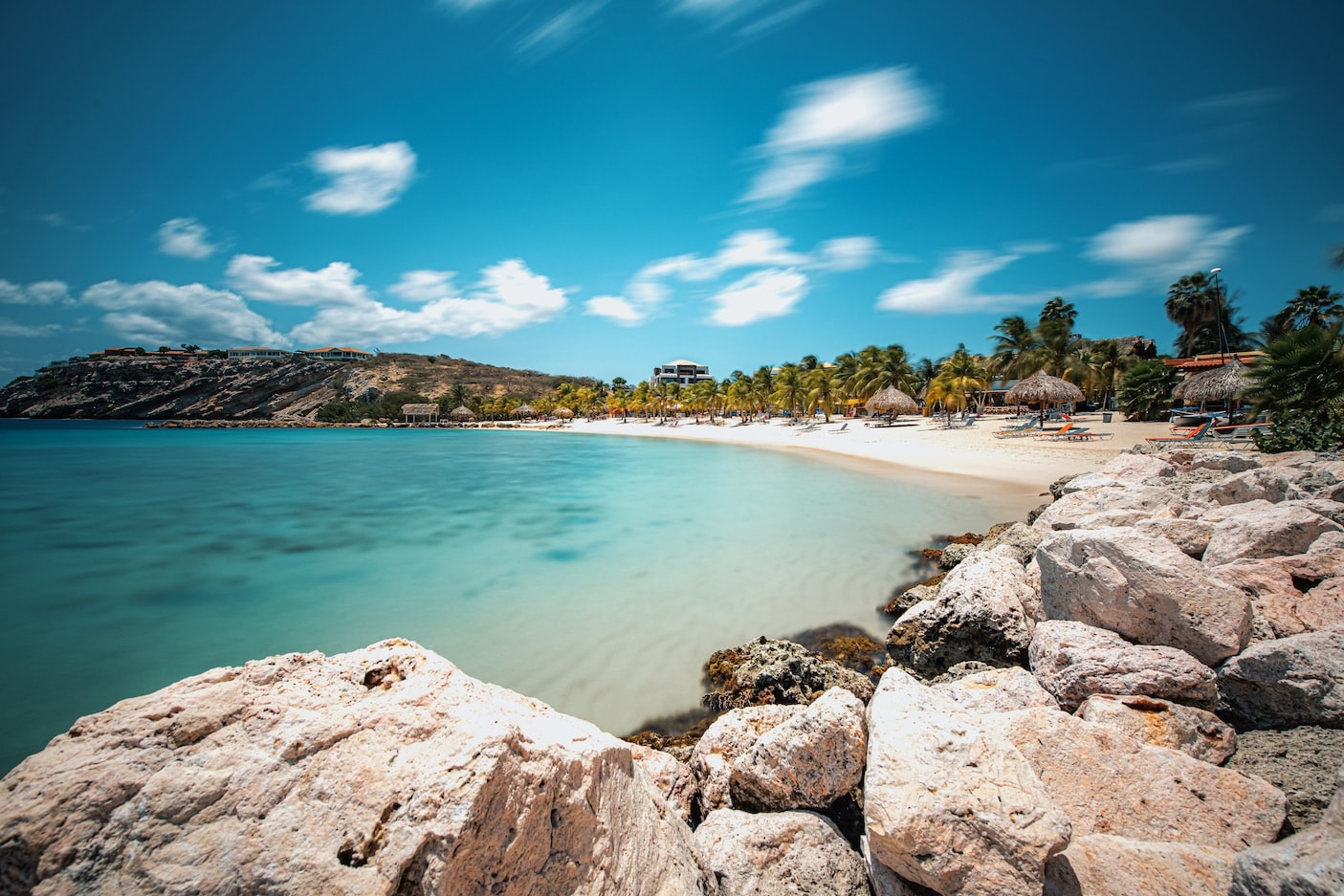
Image: Blue Bay Curacao Golf & Beach Resort
What was your very first job?
“I was born in Heemskerk, but grew up in Antwerp. My mother also grew up in Belgium, because her father bought a foam rubber factory there. This location was better because most of the clientele were in France and Germany. My father was head of marketing for the press combination of de Volkskrant, Trouw and Het Parool, among others, and later entered the advertising world.
“My father and I shared a common passion: cars. Near one of the shops my grandfather had was a go-kart track. I went to watch it together with my father at the age of 11 and was fascinated by everything I saw on the track. I really wanted to go karting, but I had to earn extra money to afford it. I started to get serious about racing and decided to take a side job at a restaurant to finance my passion. I also helped my mother, who was a clothing designer with her own brand, with all kinds of things. I also started selling race tickets in the village.
My adventure started at the age of 15 with the European Championships. But I wanted more, to go to America, so with a booklet taped under my arm that I had made with my father, I visited various companies looking for sponsors. I also resumed my work at the clothing brand and we became more serious and bigger. I did production and sales for about 120 customers worldwide. With my mother I went to fashion fairs in Hong Kong and Paris and organized fashion shows: my horizons were broadened considerably and I earned money for my passion: racing. The racing paid off and I was picked up by Ford Netherlands. Later I raced for an Italian, English and American team.”
How did you end up in your current job?
“In 1989, the former plantation on Curaçao was purchased by a number of local developers. There were a few roads, about five houses and a lot of land had been cleared. A bare whole, that was the picture when my grandfather got in. He did this fifty-fifty with businessman Joep van den Nieuwenhuyzen. My grandfather saw him as the ideal partner, because he was the son-in-law of hotel magnate Gerrit van der Valk and at that time already had a golf resort in Aruba, and a golf course was also part of the plan for Blue Bay. To send a signal that Blue Bay was now really in business, they started building that golf course.
During the construction of the golf course, all kinds of things came into play surrounding Van den Nieuwenhuyzen's activities in the Netherlands, which therefore became discredited. At the age of 78, my grandfather found himself in the situation where he either had to abandon the project and take his losses or had to buy out his partner. He chose the latter.
It appealed to my grandfather that I did everything I could to ensure that money was left on the table and the racing dream remained in view. But ultimately my dream shattered after 9/11 and sponsors no longer had the 2 million budget to support me. I didn't like racing at a lower level, because my motto was: the best or nothing. My grandfather suggested that I spend a year selling real estate on the island. I did that and I never left.”
Who was your wheelbarrow in that?
“My parents have been a large part of the opportunities I have created. In my racing life I have known two phases: my European phase and my American phase. Gert Valkenburg from Ford Netherlands discovered me in Europe. He introduced me to motorsport, arranged sponsors and gave me more knowledge about the circuit. My mentor and former driver Arie Luyendyk helped me find my way to the United States and taught me a lot about the American mentality. Arie guided Rinus van Kalmthout to his Indycar debut two years ago and is now a celebrity in American racing.
The last wheelbarrow is my grandfather. I took the plunge by going into real estate with Blue Bay, but he taught me that I can do anything if I put my mind to it. My grandfather gave tough love and had the motto: a good child rules himself. I never really realized that he was proud of me, but later I heard from those around me that my grandfather always spoke highly of me. When I had to race in America he would wait hours in front of the television before the race started.”The Ridge
What have you learned as CEO during the current period?
“My second man in the company, the Development Director, was once a youth skater and was very active in the cycling world. Because of his sports background, he knows what it is like to suffer pain and to bite back. Athletes know what it's like to deal with disappointment. Together with the team, this makes it easier for us to pull each other towards the positive. We continue to sail with enthusiasm and perseverance and pull the rest of the team along, we have confidence: the urge to travel will not go away. I have learned to keep the focus, to 'sail along', but not to lose sight of our goal.”
What has been the biggest learning moment in your career?
“Sport and competition is less fair than I initially thought in my dreams as a young boy. People are not always faithful, cheat and do not keep agreements. These factors caused me to mature at a very young age and this certainly helped me with business in my later career. My racing background has taught me to fight for what I want, to always persevere, to accept setbacks and to deal with people.
Due to mechanical failure and naivete I lost a championship, but I still received the appreciation of the entire racing world. By naivete I mean that I didn't think about the bigger picture, I only thought about the short-term result.”
Have you been a wheelbarrow for someone?
“If I have been a wheelbarrow, this has happened unconsciously. I do try to support the younger people in our company with advice. I have more of a mentoring role where I take employees under my wing and absorb what they need.”


