
Taste
5x top-class world heritage
Although the Netherlands is not blessed with the sunniest climate, it does excel in top-class world heritage. The country has thirteen UNESCO World Heritage sites. From historic mills to iconic architecture, you can immerse yourself in Dutch pride without getting wet.
Although our little country is not blessed with the sunniest climate, it does excel in top-class world heritage. The Netherlands has no less than thirteen UNESCO locations. From historic mills to iconic architecture – here you can immerse yourself in Dutch pride, without getting wet.
Museum Schokland
A visit to Schokland feels like a journey through time. This former island in the Zuiderzee, now surrounded by polder land, tells the impressive story of the centuries-long battle against the water. In Museum Schokland you will discover how residents settled here in prehistoric times and had to adapt their lives to the rising water time and again. In addition to the permanent exhibition, the museum offers walking routes along archaeological finds, old foundations and even mammoth bones.
Windmills of Kinderdijk-Elshout
Kinderdijk is known worldwide for its row of impressive windmills, the Museum Mill Downward gives you a unique glimpse into life back then. Inside you will discover how a miller's family worked and lived in the 18th century, while the mill is still turning its sails. From the mill you have a view of the polder landscape - it doesn't get more Dutch than this...
Ir. DF Woudagemaal
The Ir. DF Woudagemaal is the largest still operational steam pumping station in the world and is not on the UNESCO World Heritage List for nothing. Since 1920, this impressive pumping station has helped keep Friesland dry. A high-quality example of Dutch technology and innovation.
Rietveld Schröder House
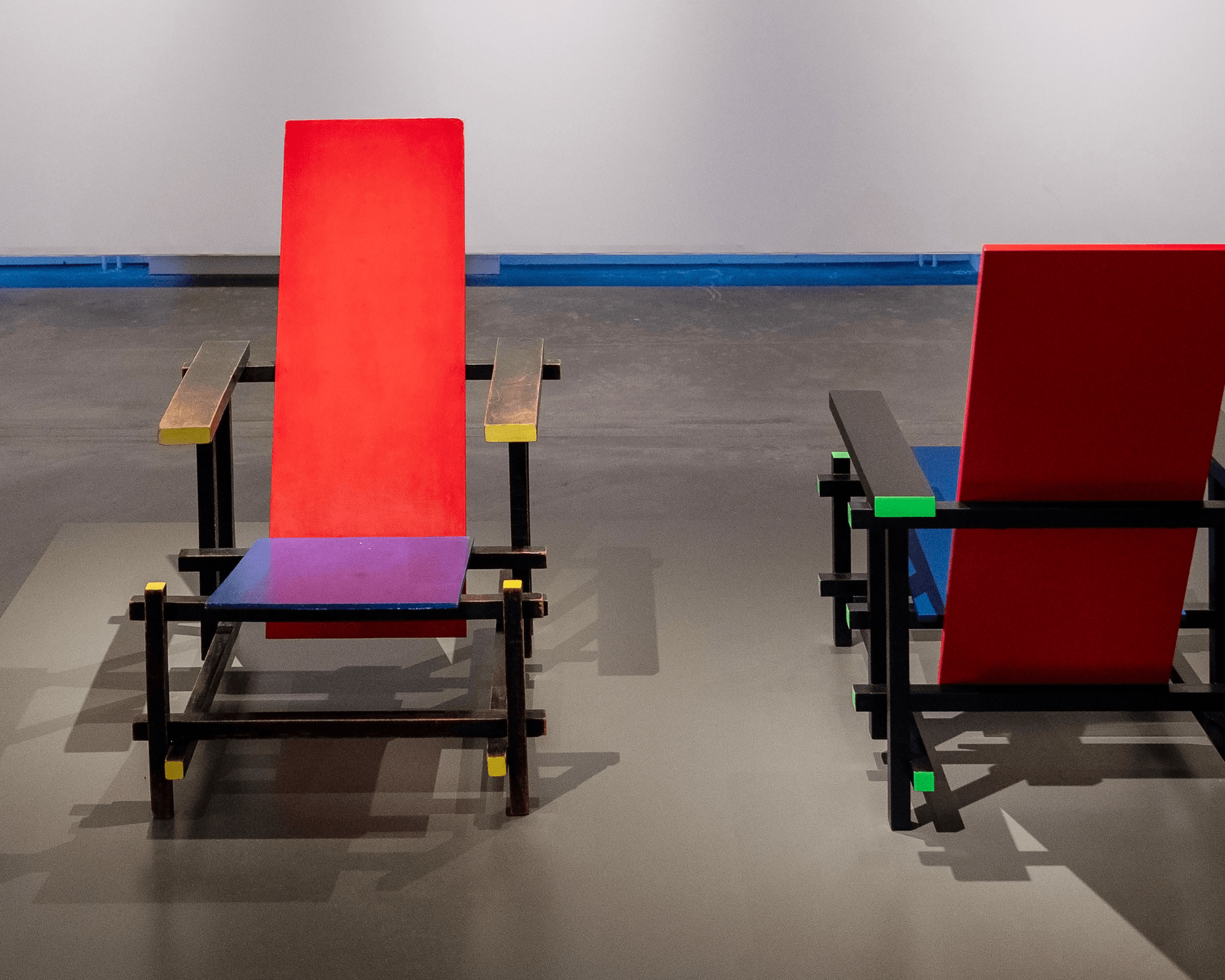
The Rietveld Schröder House, designed by Gerrit Rietveld in 1924, is a unique example of From Stijl-architecture. This house was built entirely according to the principles of the art movement, with flexible sliding walls, striking color planes and a minimalist design. The house was intended to redefine traditional living and offers insight into Rietveld's innovative work and his vision of space and functionality. The Schröder House has been on the UNESCO World Heritage List since 2000.
Eise Eisinga Planetarium
One hangs a lamp, the other a complete solar system. In 1781, Eise Eisinga built a working model of the planetary system in his living room, to show how the planets move. For centuries, they have been turning precisely according to their orbits, thanks to an ingenious system of gears and weights. This special piece of science is the oldest working planetarium in the world.


