
Taste
5 Designs That Astonish
FotografieKéré Architecture
FotografieKéré Architecture
What happens when design goes beyond seduction of the eye? You get shoes that stimulate your mind, a film sweater that evolves into a design object and furniture that makes you wonder whether nature itself was the designer. Digital heritage and centuries-old metalwork also receive a surprising new face.
The shoe that activates your brain
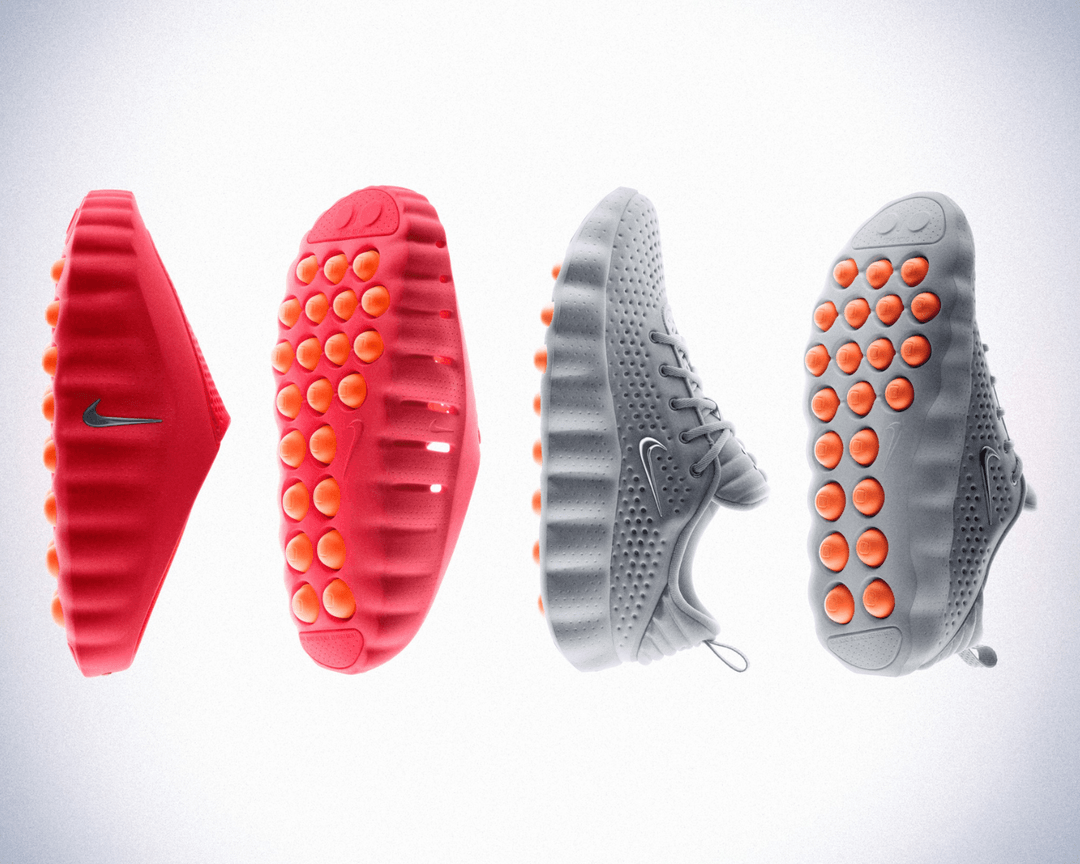
Nike is ushering in a new era with the introduction of the Mind 001 and Mind 002: the first footwear designed not from the ground up, but from the brain down. Developed in collaboration with neuroscientists and based on years of brain and movement scans, Nike created a sole with 22 independent foam nodes that deliver targeted micro-stimulation with every step. These tactile impulses activate the sensorimotor networks in your brain, increasing focus, calm and presence, as if you experience the benefits of barefoot walking, but with protection and comfort. The Mind 001, a luxury slip-on mule, is ideal for recovery moments: lightweight, breathable and easy to slip on. The Mind 002 translates the same technology into a sportier silhouette with a soft, foam-like upper and futuristic lines. Both models come in striking colour combinations, including metallic details and the signature bright orange pods. With this launch, Nike introduces an entirely new performance platform centred on mental clarity as much as physical performance. A revolutionary step towards footwear that not only supports, but also optimises your mindset.
From film icon to cult piece
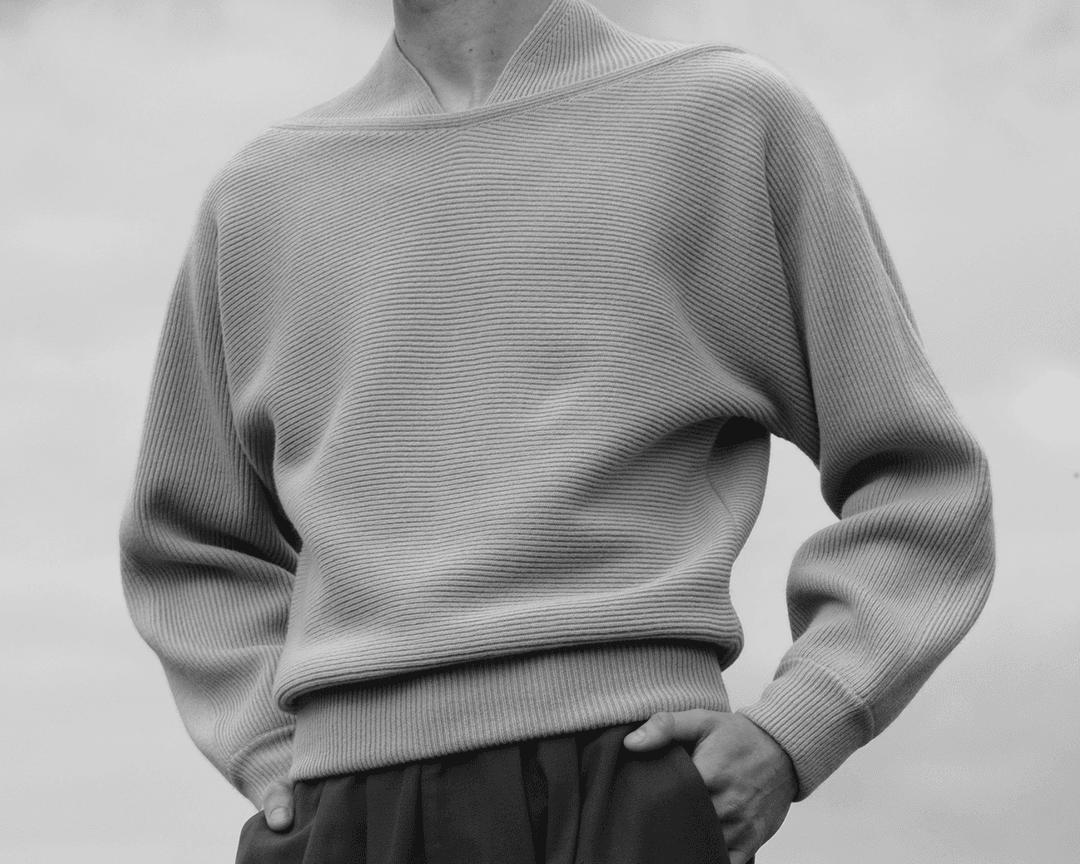
Good news for design and cinema lovers: the iconic grey sweater worn by Adrien Brody in The Brutalist has been reproduced by costume designer Kate Forbes, who created the wardrobe for the Oscar-winning film, after witnessing how fans worldwide became captivated by this seemingly simple garment. The original sweater, found at the Berlin costume house Theatrekunst, distinguishes itself through its almost architectural qualities: a sculptural collar, exceptional knit density and a silhouette that fits snugly at the waist while the sleeves taper into soft batwing shapes. "It has its own structure, the way well-designed buildings do," Forbes says. For the reissue, she collaborated with British knitwear designer Ilana Blumberg. Their goal: preserve the essence of the vintage design while subtly modernising it. The sleeves were lengthened and the rib structure refined. The greatest challenge was finding the same unprecedented knit density. Only after nearly doubling the amount of yarn did the desired sculptural effect emerge. The result is a timeless, light grey statement piece that translates brutalist aesthetics into luxury knitwear. The Brutalist Sweater is a rare example of film costume that design enthusiasts can actually wear.
Kateforbes.com | Ilanablumberg.co.uk
Virtual museum for stolen heritage
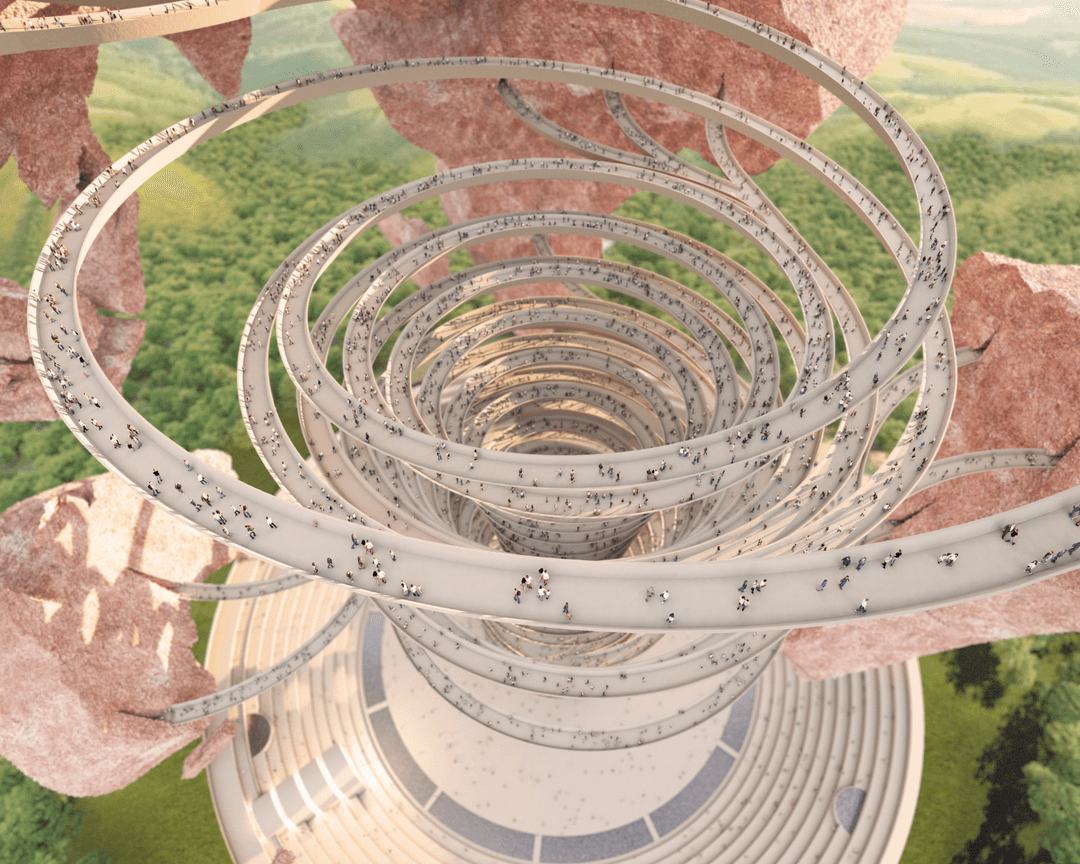
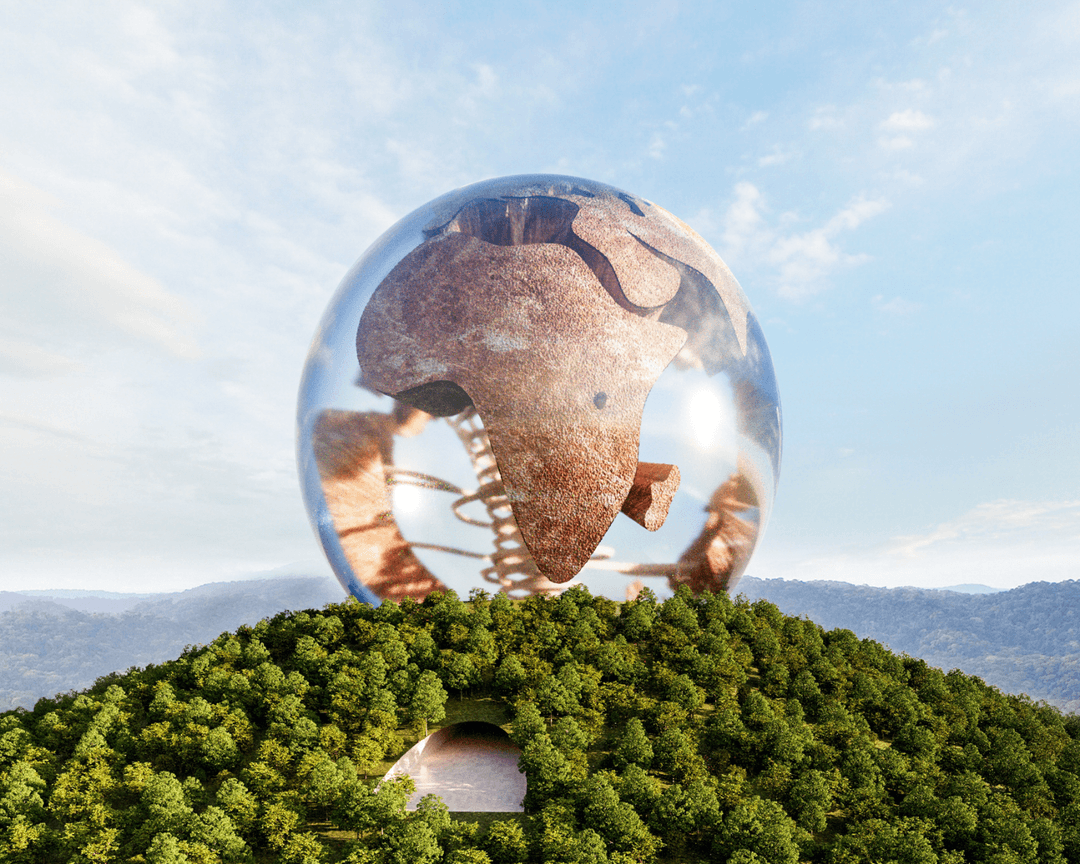
Burkinabè architect and Pritzker Prize winner Diébédo Francis Kéré has designed the UNESCO Virtual Museum of Stolen Cultural Objects, a digital museum that brings together 600 stolen or missing artefacts. With an earthy colour palette and poetic architecture, the museum aims to raise awareness of the global illegal trade in cultural heritage. The objects are selected from an Interpol database and together tell the story of displaced communities and lost history. Kéré, born in Burkina Faso and based in Berlin since 2005 with his practice Kéré Architecture, emphasises the emotional and social weight of these works. "These objects are not decoration," he says. "They were means of communication, spiritual anchors, sometimes quite literally the roots of a community." The museum opens with a virtual globe on a green hill, which provides access to an amphitheatre and the Return and Restitution Room, where recovered objects are displayed. The heart of the museum is a spiral gallery, with branches for each world region. Light openings represent the ruptures that stolen heritage leaves behind. Inspired by the baobab, a symbol of resilience, Kéré seeks simplicity and connection in this digital design. His mission: to make the value of cultural heritage tangible and to underscore the importance of restitution.
Kuseum.unesco.org/ | Kerearchitecture.com
From raw steel to ritual design
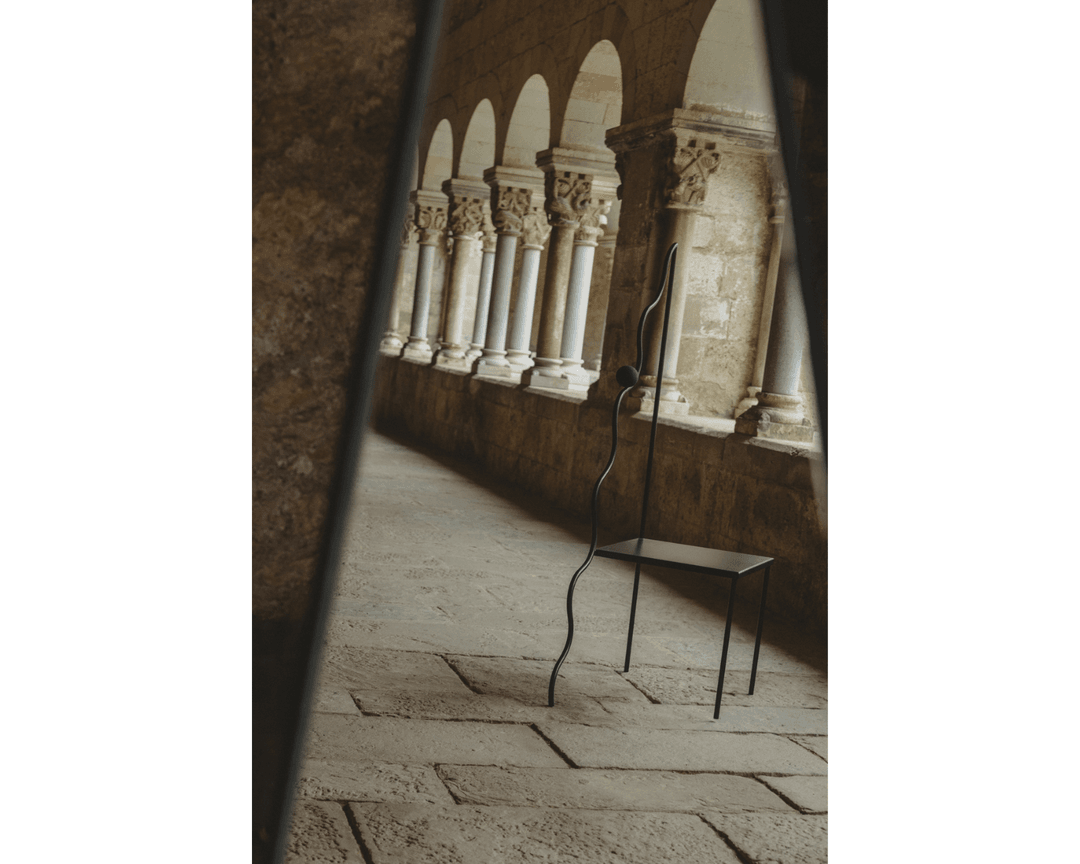
Metamorphosis, by Barcelona-based designer Valeria Vasi, is a collection of eleven sculptural furniture pieces that place the centuries-old craft of blacksmithing in a contemporary light. The series explores the alchemy of creation: how raw iron, under the influence of fire and human hand, transforms into something fluid, even ethereal. Each design begins as a sketch, develops into a digital study and is then hand-forged in an iron foundry. Vasi deliberately chose iron for its duality: rooted in tradition and sustainability, yet surprisingly expressive under heat and force. The result is a collection where geometric precision merges with organic lines, a continuous dialogue between heaven and earth, between the spiritual and the material. The standout piece is The Descending Chair, a seat that appears to move while standing still: a fragile-looking silhouette, supported by a winding iron stem that captures the tension between movement and rest. The All-seeing Mirror translates human layers of consciousness into a minimalist triangle, while The Thurible, a contemporary altar, offers space for contemplation. The Orbit Candleholder finally captures balance and movement in one frozen gesture. Metamorphosis is more than a furniture collection, it is a meditation in steel: an invitation to see, feel and reconsider transformation.
Design or natural wonder?
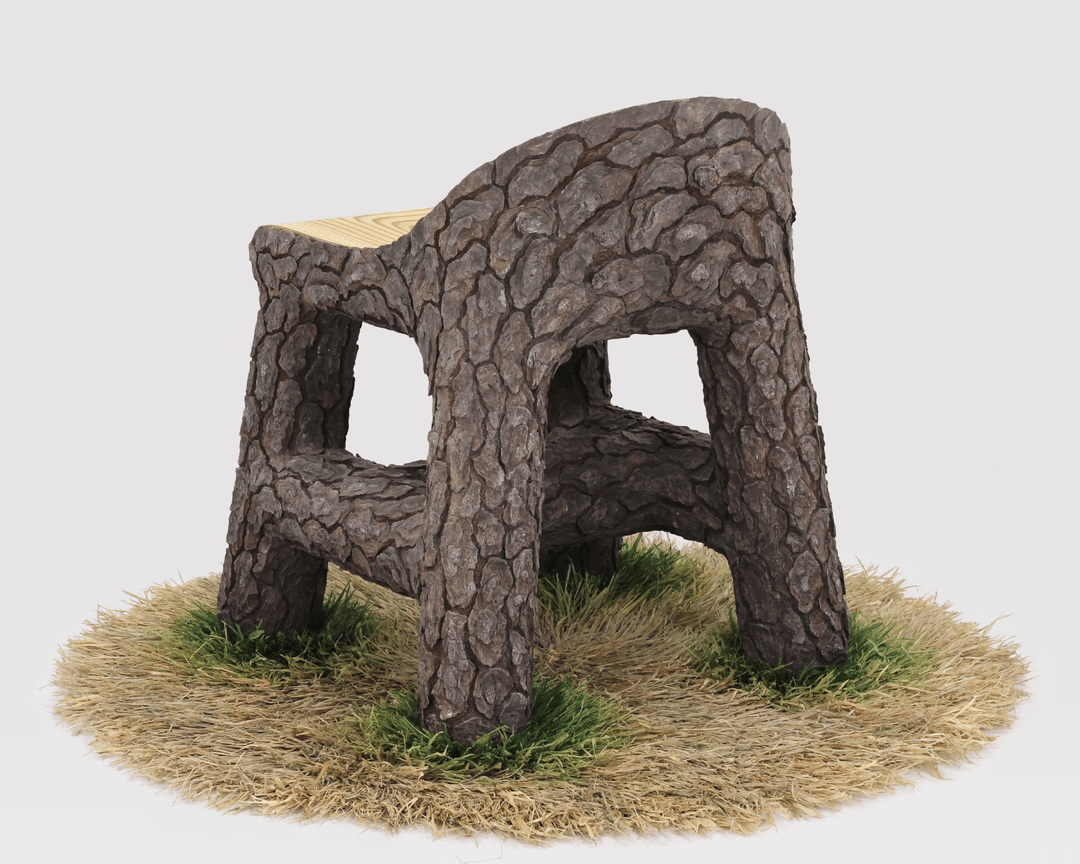
The Wood Grass Chair by Houston-based designer Joyce Lin is one of those rare objects that immediately sharpens your eye. At first glance, the chair appears to be carved directly from a tree trunk, as if nature and design have merged seamlessly. But behind this illusion lies masterful craftsmanship: Lin created the effect with a layered mix of plywood, oil and acrylic paint, epoxy clay and raffia fibres. Lin is known for her exploratory play between surface and structure, deliberately blurring the boundary between the natural and the man-made. "In recent years I increasingly lose track of where truth ends and fiction begins," she says. Her sculptural furniture explores this confusion, and how our own influence on the landscape makes that boundary ever more diffuse. The Wood Grass Chair is a striking example of her uncanny approach: familiar and strange at once, elegant and unsettling. Through this work, Lin shows how design can shape not only our interiors but also our worldview. In her work, nature and culture are no longer opposites, but a single capricious, poetic reality.